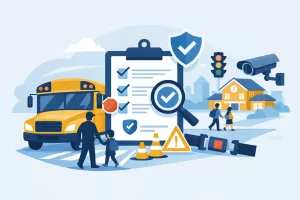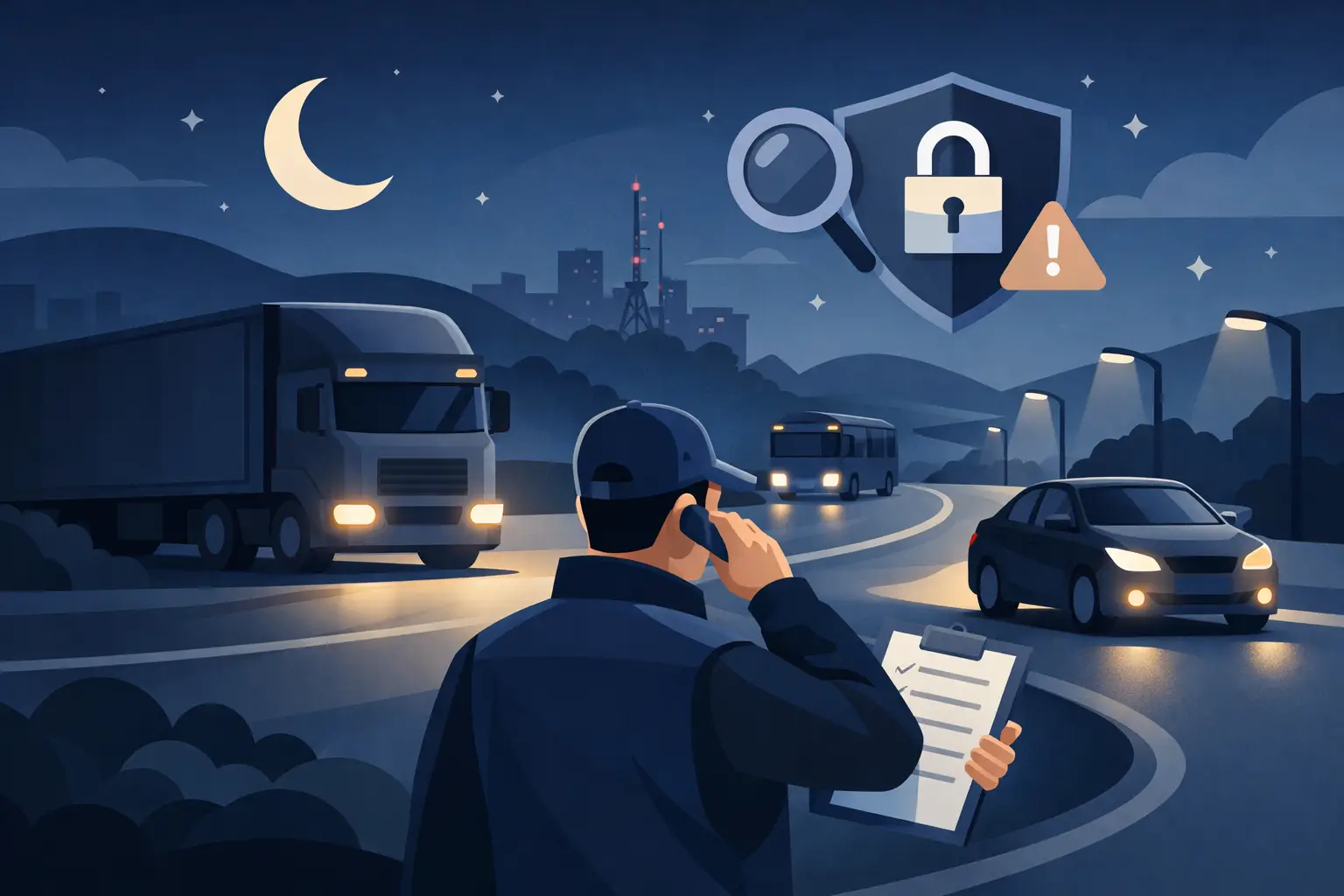
A late-night transport plan is only as strong as the details behind it. When employees finish a night shift, when students return from an evening event, or when guests need organized transfer after dark, the margin for error gets smaller. Reduced visibility, quieter roads, driver fatigue, and uneven pickup conditions all make night operations different from daytime service. That is why knowing how to manage night transport safety starts with planning for real operating conditions, not just assigning a vehicle and route.
For schools, companies, and families, the goal is simple: every passenger should be picked up on time, transported responsibly, and dropped off with clear oversight. The challenge is that night transport involves moving parts that are easy to underestimate. A route that feels routine in daylight may have poor lighting at night. A pickup point that works during office hours may become isolated after dark. Safe transport depends on anticipating those changes before the first trip begins.
Why night transport needs a different safety plan
Night transport is not automatically unsafe, but it does require tighter controls. Drivers work with reduced visibility, passengers may be tired or distracted, and support teams may be operating with fewer on-site staff. Even traffic patterns can shift. Some roads become easier to travel at night, while others become riskier because of speeding, roadside parking, or limited pedestrian activity.
This matters for recurring services such as staff shuttles, employee ferry transport, and late-event group transfers. A dependable transport provider does more than dispatch a bus. It builds an operating process around route review, licensed personnel, communication procedures, and contingency handling. That is what keeps service reliable when conditions are less forgiving.
How to manage night transport safety from the start
The safest night transport arrangements usually begin long before the trip itself. Route planning should account for lighting, traffic flow, road width, known construction zones, and safe stopping areas. Pickup and drop-off points should be selected for visibility and accessibility, not just convenience. In some cases, the shortest route is not the best route if it includes poorly lit or isolated segments.
Passenger profile also matters. Transport for school communities, for example, requires stronger supervision and clearer handoff procedures than general group movement. Employee transportation may require staggered pickups across several worksites, which means timing and waiting conditions become part of the safety plan. VIP and airport transfers often demand tighter schedule control because delayed pickups can create pressure that affects driving decisions.
A practical plan should answer a few basic questions before service starts. Who is riding, what are the operating hours, where are the safest boarding points, and how will updates be communicated if timing changes? When those answers are built into the service design, risk drops significantly.
Driver readiness is central
Night transport safety depends heavily on the driver. A qualified driver with local route familiarity, proper licensing, and disciplined operating habits makes a visible difference. Experience matters even more after dark because hazards appear faster and judgment windows are shorter.
Fatigue management is part of this. It is not enough for a driver to be available. Scheduling must be realistic, with adequate rest periods and route assignments that match the shift load. A long day followed by a late-night trip creates unnecessary risk, even if the route itself seems simple. For recurring night services, consistency helps. A driver who regularly handles the same route is more likely to recognize patterns, pickup issues, and timing pressure points.
Vehicle condition cannot be treated as routine
At night, small vehicle issues become larger safety issues. Headlights, brake lights, interior lighting, mirrors, tires, brakes, and door mechanisms should be checked with extra care. A bus that is acceptable for a short daytime transfer may not be acceptable for night service if visibility or access is compromised.
Interior conditions matter too. Passengers should be able to board and exit safely without confusion or rushing. Clean steps, proper lighting, and stable entry points reduce the chance of slips or missed footing. For smaller and mid-capacity buses, which are commonly used for school, staff, and shuttle movement, boarding flow should remain orderly even when several passengers are tired or carrying bags.
Communication is part of how to manage night transport safety
One of the most overlooked parts of how to manage night transport safety is communication. Delays, route changes, missed pickups, or uncertainty about vehicle arrival can lead passengers to wait in unsafe conditions or move to the wrong location. Clear updates reduce confusion and keep everyone aligned.
For company transport, this may mean designated coordinators who receive real-time updates and relay them to staff. For school-related movement, parents or guardians often need reassurance that a child has been picked up or dropped off according to plan. Communication does not need to be complicated, but it does need to be timely and accurate.
There is also a balance to strike. Too many informal updates from too many people can create mixed messages. A safer approach is to have one clear communication channel, defined contact persons, and a procedure for exceptions. If a passenger is not at the pickup point, if weather affects timing, or if access is blocked, everyone should know who decides the next step.
Safe pickup and drop-off practices matter more than most people think
A large share of transport risk happens while stationary, not while driving. Poorly chosen pickup points can force passengers to cross active roads, wait in dark areas, or approach the vehicle from the wrong side. At drop-off, the same issues can create confusion, especially if passengers are in a hurry to get home or reach a destination.
The best pickup and drop-off points are visible, well-lit, and easy for a bus to approach without sudden maneuvering. They should allow passengers to board from a safe side and avoid unnecessary walking through parking lots, loading bays, or side streets. For recurring services, these points should be reviewed periodically because road conditions, building access, and local traffic controls can change.
For children and younger passengers, handoff discipline is especially important. A safe route is only part of the job if there is no clear confirmation of who receives the child at the destination. For adult staff transport, the issue is slightly different. The focus is usually on making sure passengers are not dropped far from the intended entrance or in areas that feel isolated late at night.
Policies should fit the type of service
Not every night transport arrangement needs the same level of control. A scheduled corporate shuttle, an airport transfer, and a school-related evening trip all have different operating demands. The right safety standard should match the service type without becoming vague or informal.
For recurring employee transport, consistency is often the main priority. Passengers benefit from stable timing, predictable pickup points, and clear escalation if someone is delayed. For event transport, crowd control and departure coordination become more important because passengers may leave in groups and expect quick loading. For student movement, supervision and guardian communication carry more weight.
That is why transport planning should be operational, not generic. A provider with experience in organized movement usually builds controls around the actual passenger group rather than applying the same setup to every booking.
Oversight and contingency planning keep service dependable
Even the best routes face disruptions. Weather changes, vehicle issues, access restrictions, and passenger no-shows can all affect night trips. The difference between a safe operation and a stressful one is usually whether a backup process already exists.
A dependable operator plans for substitutions, route adjustments, and communication escalation before the problem happens. If a vehicle is delayed, who informs the client? If a pickup point is blocked, what is the approved alternative? If a passenger misses the bus, what is the safe next step? These are operational questions, but they directly affect passenger safety.
This is where experienced transport coordination shows its value. Shanz Transportation & Services, for example, positions safety and responsiveness together for a reason. Night transport is not just about the bus on the road. It is about the people, procedures, and oversight around the trip.
Building trust through repeatable safety standards
Night transport should feel controlled, not uncertain. For schools, that means parents know their children are moved with proper care and communication. For companies, it means employees can rely on transport after late shifts without unnecessary waiting or confusion. For group organizers, it means every rider reaches the destination through a process that is structured and professional.
The strongest safety results usually come from repeatable habits: proper driver assignment, route review, vehicle checks, clear communication, and safer pickup design. None of these steps is dramatic on its own. Together, they create the kind of service people trust over time.
When you are arranging transport after dark, the right question is not just whether a vehicle is available. It is whether the trip is being managed with enough care to stay safe, punctual, and reassuring from the first pickup to the final drop-off.